Essential Emergency Kit Items to Keep in Your Trunk

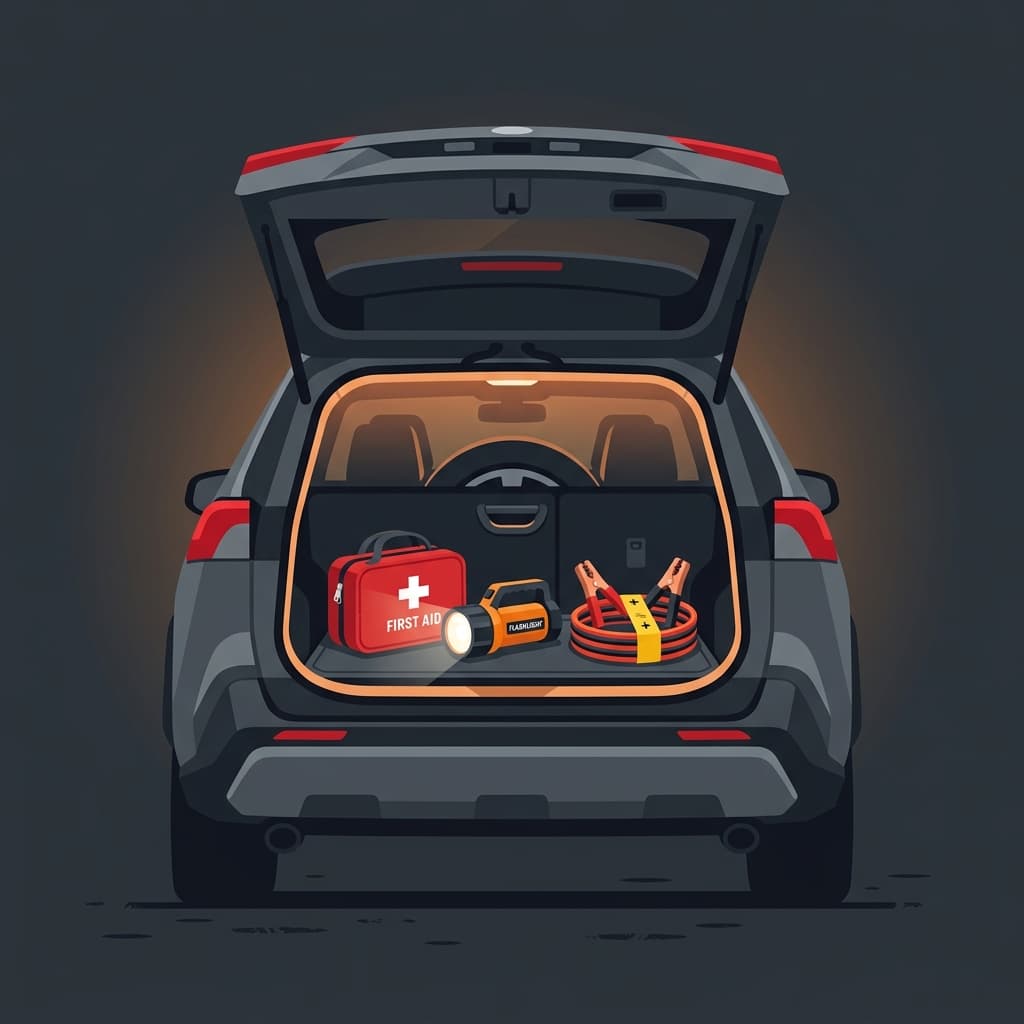
Table of Contents
Modern vehicles are more reliable than ever, but flat tires, dead batteries, and unexpected weather can still leave you stranded on the side of the highway. Waiting for a tow truck can take hours, especially in rural parts of the U.S. or during a severe winter storm.
Building a proper car emergency kit is the cheapest insurance policy you can buy. Whether you are commuting to work or embarking on a cross-country road trip, here is a comprehensive checklist of what to keep in your car to handle the most common roadside emergencies safely.
1. Battery and Starting Equipment
A dead battery is one of the most common reasons drivers get stranded. You have two options:
- Heavy-Duty Jumper Cables: A traditional set of high-quality, thick jumper cables (4-gauge or 6-gauge) is a must. However, this requires another willing driver to act as a donor vehicle.
- Portable Lithium Jump Starter: This is highly recommended over traditional cables. A portable jump pack allows you to start your own car without relying on a stranger, and they feature built-in safety mechanisms to prevent electrical damage if you hook them up backward.
2. Tire Repair and Inflation
If you get a flat tire, you need to be able to swap it or temporarily patch it to get to a tire shop.
- Spare Tire Check: Make sure your car actually has a spare tire, a jack, and a lug wrench. (Many modern cars only come with a temporary inflation kit to save weight).
- Tire Pressure Gauge: A digital or mechanical gauge to check your tire pressure regularly.
- Portable Air Compressor: A 12-volt air compressor that plugs into your cigarette lighter can reinflate a soft tire or a low spare tire in minutes.
3. Visibility and Warning Equipment
If your car breaks down at night, your primary goal is to ensure other drivers can see you.
- LED Flashlight and Extra Batteries: Your smartphone flashlight is not bright enough for roadside repairs, and using it drains your only communication lifeline.
- Reflective Warning Triangles or LED Flares: Place these several yards behind your vehicle to warn oncoming traffic, especially on dark highways or blind corners.
4. Basic Tools and Repair Items
You don't need a full mechanic's tool chest, but a few basic items can patch up minor issues.
- Multi-tool: A high-quality multi-tool with pliers and a knife.
- Duct Tape and Zip Ties: The universal fix for temporarily securing a dragging plastic bumper or loose trim piece after a minor fender bender.
- Work Gloves: Essential for keeping your hands clean and protected while changing a dirty tire or handling hot engine components.
5. First-Aid and Personal Safety
Every car should have a dedicated medical kit for minor scrapes or accident-related injuries.
- Pre-packaged First-Aid Kit: Ensure it includes band-aids, gauze, antiseptic wipes, and medical tape.
- Emergency Blankets: Mylar "space blankets" retain body heat and take up almost no room.
- Warm Clothing: If you live in a cold-weather state, keep an old winter coat, a warm hat, and dedicated winter gloves in the trunk.
6. Sustenance and Power
If you are stuck in a blizzard or waiting for a tow truck in the middle of nowhere, you need to stay comfortable and connected.
- Bottled Water and Non-Perishable Snacks: Granola bars, trail mix, or protein bars are perfect.
- Phone Charger and Power Bank: Keep a dedicated charging cable in the car, along with a fully charged portable battery bank in case your car's battery is completely dead and the USB ports no longer work.
7. Paperwork and Documentation
- Physical Maps: Don't rely entirely on GPS; if you lose cell service, a physical state map is invaluable.
- Emergency Contacts and Medical Info: A written card in the glovebox with your emergency contacts, insurance information, and any severe allergies.
- Owner's Manual: This should already be in your glovebox. It contains the exact location of your spare tire, fuse box diagrams, and vehicle-specific towing instructions.
A Warning About Extreme Heat
While building your kit, be mindful of what you leave in the trunk during the peak of summer.
Do NOT leave these items in a hot car:
- Aerosol cans (like Fix-a-Flat or hairspray) can explode in extreme heat.
- Standard plastic water bottles can degrade and leach chemicals; rotate them frequently or use emergency water pouches.
- Lithium-ion jump packs and power banks should not be subjected to prolonged interior temperatures over 120°F (48°C), as this drastically reduces their lifespan and can present a fire risk. If you live in the desert, store the battery pack under a seat away from direct sunlight, and bring it inside during extreme heatwaves.