The Ultimate Guide to Buying a Used Car
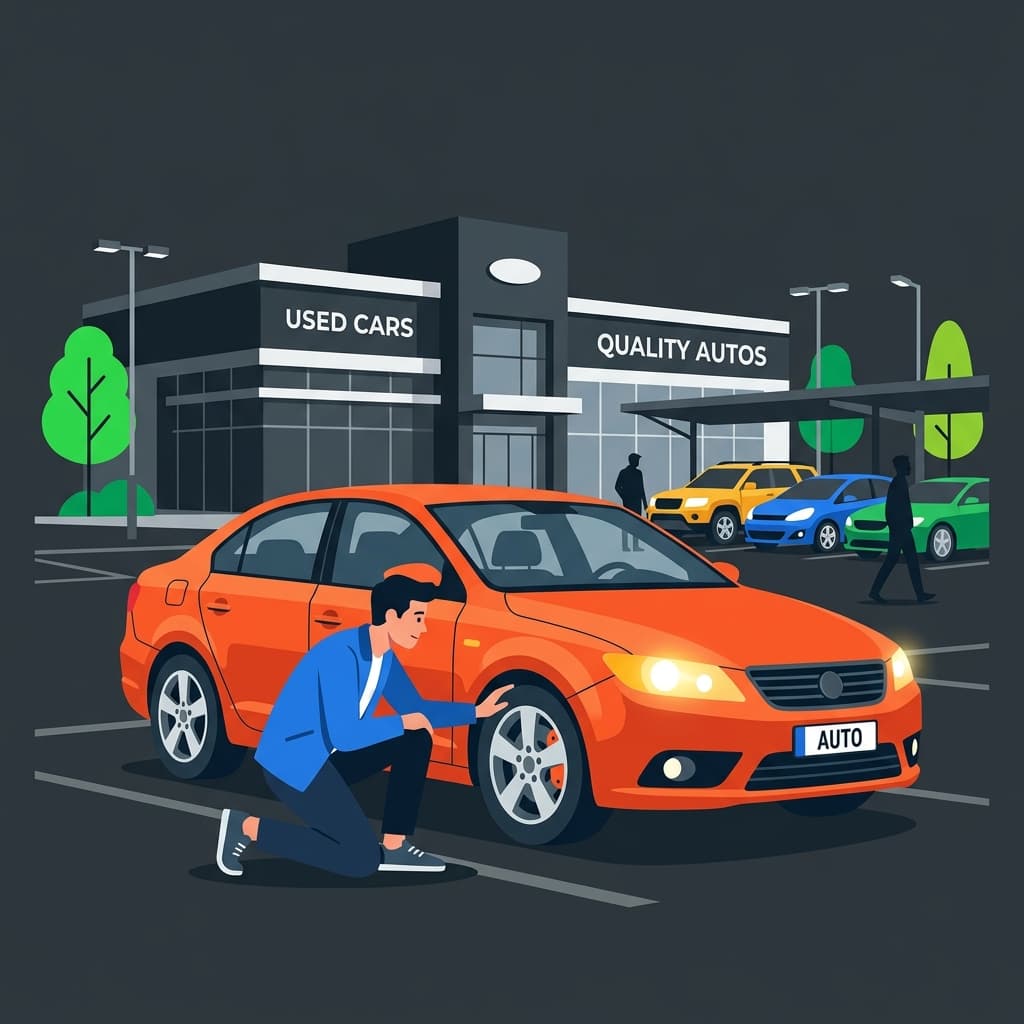
Table of Contents
Figuring out how to buy a used car can feel overwhelming, especially if you are worried about inheriting someone else's mechanical problems. However, buying a used vehicle is one of the most financially sound decisions you can make—as long as you know what to look for.
Whether you are buying from a private seller or a dealership, this comprehensive buying a used car checklist will walk you through exactly how to research, inspect, and purchase a reliable vehicle in the United States.
1. Set a Realistic Budget
Before you even look at a car, determine how much you can afford to spend. A common rule of thumb is that your total car expenses (loan payment, insurance, fuel, and maintenance) should not exceed 15-20% of your monthly take-home pay.
If you are paying cash, remember to leave at least $500 to $1,000 in your bank account specifically for immediate maintenance. Used cars almost always need something right away, whether it's a fresh oil change, new wiper blades, or a set of tires.
2. Research the Vehicle
Don't buy a car just because it looks good. Some vehicles have well-documented transmission or engine issues that appear around the 80,000-mile mark.
- Check reliability ratings: Use resources like Consumer Reports or Edmunds to read reviews on the specific year, make, and model you are considering.
- Understand common problems: Search online forums (like specific car enthusiast subreddits) for the model to see what actual owners complain about most frequently.
3. VIN and Vehicle-History Checks
Never buy a used car without checking its history. Ask the seller for the Vehicle Identification Number (VIN) before you go look at the car.
- Run a history report: Services like Carfax or AutoCheck will show you the car's title status (e.g., if it has a salvaged or rebuilt title), previous accidents, odometer rollbacks, and maintenance history.
- Check for recalls: Run the VIN through the National Highway Traffic Safety Administration (NHTSA) website to see if there are any open safety recalls that haven't been fixed.
4. Inspecting the Exterior and Interior
When you go to look at the car, do it during the day in good weather. Rain can easily hide scratches, and darkness hides bad paint jobs.
- Exterior: Look down the side of the car for rippling or misaligned body panels, which indicate previous collision repair. Check for rust on the undercarriage and wheel wells.
- Interior: Smell the interior for musty odors, which can indicate water leaks or flood damage. Test every button: windows, locks, air conditioning, heater, radio, and sunroof.
5. Checking Tires, Fluids, Brakes, and Warning Lights
You don't need to be a mechanic to check the basics.
- Dashboard: Turn the key to the "On" position (without starting the engine). Every warning light should illuminate. Start the engine. Every warning light should turn off. If the Check Engine Light stays on, walk away or demand an inspection.
- Fluids: Pull the oil dipstick. The oil should be honey-colored or dark brown/black, but never milky or frothy (which indicates a blown head gasket). Check the coolant to ensure it isn't sludgy.
- Tires: Check the tread depth using the "penny test." Ensure all four tires are the same brand and size. Uneven wear indicates an alignment or suspension issue.
6. Test-Driving the Vehicle
A test drive should last at least 20 minutes and cover both stop-and-go city traffic and highway speeds.
- Listen: Turn the radio off. Listen for clunks over bumps (suspension issues), grinding when stopping (worn brake pads), or whining sounds when turning the wheel.
- Feel: The car should drive perfectly straight when you take your hands off the wheel for a second. The steering wheel should not vibrate at highway speeds.
- Transmission: If it's an automatic, the shifts should be smooth, not jerky or delayed.
7. Pre-Purchase Inspection (PPI)
This is the most critical step on the buying a used car checklist. Never buy a used car without having it inspected by an independent mechanic first.
Expect to pay around $100 to $200 for a PPI. A certified mechanic will put the car on a lift, check the brakes, inspect the suspension for worn bushings, and scan the computer for hidden engine codes. If a seller refuses to let you get a PPI, walk away immediately.
8. Private Seller vs. Dealership
Both options have pros and cons:
- Private Sellers: Usually offer the best prices, but you buy the car "as-is" with absolutely no warranty. You handle the DMV paperwork yourself.
- Dealerships: Typically charge more, but they handle the title transfer and registration. Some offer limited warranties (e.g., 30 days/1,000 miles).
9. Title and Ownership Verification
If buying privately, ensure the person selling the car actually owns it. Ask to see the title and their driver's license to ensure the names match.
If there is a lienholder (a bank) listed on the title, the seller does not own the car outright. You will need to complete the transaction at their bank to ensure the loan is paid off and the title is legally transferred to you.
10. Negotiation and Financing
Used car prices are almost always negotiable. Use the findings from your Pre-Purchase Inspection to negotiate the price down. (e.g., "The mechanic said it needs new brakes soon, so I need $300 off the asking price.")
If you are financing, secure a pre-approved loan from your local credit union before you go to the dealership. This prevents the dealer from inflating your interest rate.
11. Common Scams and Red Flags
Watch out for these classic used car scams:
- Curbstoning: An unlicensed dealer posing as a private seller to flip cars quickly without being legally responsible for selling you a lemon.
- Title Washing: Moving a car with a salvaged title to a different state to get a "clean" title issued. (A Carfax report prevents this).
- High-Pressure Tactics: "Someone else is coming to look at it in an hour." Don't rush into a multi-thousand-dollar purchase.
Final Thoughts
Buying a used car takes patience. It is completely normal to look at four or five cars before finding the right one. Stick to this checklist, insist on a pre-purchase inspection, and don't be afraid to walk away if something doesn't feel right.