How Much Does an Oil Change Cost? Average Prices & What to Expect
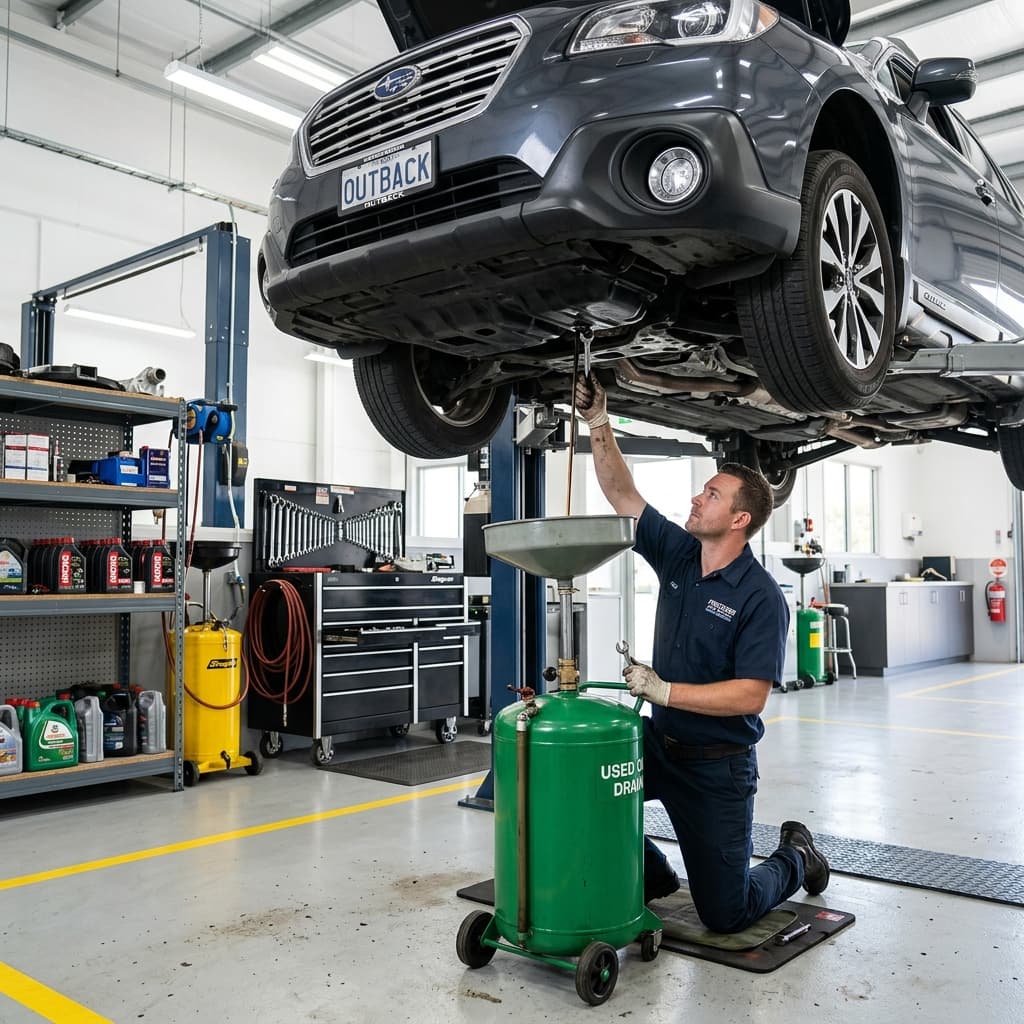
Table of Contents
An oil change is the most frequent maintenance task you will perform on your vehicle. While it is generally inexpensive compared to major repairs, the cost of an oil change varies widely based on where you take your car, the type of oil your engine requires, and the geographical location in the U.S.
To help you budget and avoid getting overcharged, here is a breakdown of average oil change prices and what to expect when you take your car into the shop.
Average Oil Change Costs by Type
The biggest factor influencing the price of an oil change is the oil itself. Most modern cars hold between 4 and 6 quarts of oil, though large trucks and SUVs can hold 8 quarts or more, which increases the total cost.
- Conventional Oil Change: $35 to $75
- Synthetic Blend Oil Change: $45 to $85
- Full Synthetic Oil Change: $65 to $125+
Note on Pricing: These are average U.S. estimates as of recent market data. Prices in high cost-of-living coastal cities (like San Francisco or New York) will generally sit at the higher end of these ranges, while prices in the Midwest and South may be lower.
Why Are Synthetic Oil Changes More Expensive?
Full synthetic oil is chemically engineered to provide superior lubrication, handle extreme temperatures better, and resist sludge buildup far better than conventional oil (which is simply refined crude oil).
While it costs significantly more upfront, it is often a better financial choice. Because synthetic oil lasts much longer, you will visit the shop less frequently. Read our guide on how often you should change your engine oil to see the exact mileage differences.
Dealership vs. Independent Shop vs. Quick Lube
Where you choose to have your oil changed plays a major role in the final bill.
1. Dealerships
- The Cost: Usually the most expensive option.
- The Pros: Dealerships use Original Equipment Manufacturer (OEM) oil filters and fluids specifically designed for your vehicle. The technicians are factory-trained on your specific make.
- The Cons: High labor rates and a strong push to upsell you on additional dealership services.
2. Independent Mechanics
- The Cost: Moderate; often the best balance of quality and price.
- The Pros: Independent shops rely heavily on building long-term trust with local customers. They often charge lower labor rates than dealerships and provide honest assessments of your vehicle's overall health.
- The Cons: You may need to drop your car off for the day rather than getting a rapid "in-and-out" service.
3. Quick Lube Chains (e.g., Jiffy Lube, Valvoline)
- The Cost: Highly variable. They often advertise low base prices but aggressively upsell.
- The Pros: Fast and convenient. You rarely need an appointment, and the service is usually completed in under 30 minutes.
- The Cons: Quick lube business models rely on selling you highly profitable add-ons, such as engine air filters, cabin air filters, and fluid flushes. Mechanics at these shops may also have less formal training than those at dealerships or independent garages.
What Should Be Included in the Price?
When comparing prices, make sure you understand what you are paying for. A standard professional oil change should include:
- Draining and replacing the old engine oil (up to 5 quarts usually included in the base price).
- Replacing the old oil filter with a new one.
- Topping off essential fluids (windshield washer fluid, sometimes power steering or coolant).
- Checking tire pressure.
- A basic visual inspection of belts, hoses, and undercarriage components.
If a shop quotes an unusually low price (e.g., $19.99), be cautious. This is often a "loss leader" tactic to get your car into the bay so the shop can attempt to sell you hundreds of dollars in additional, sometimes unnecessary, services.
To protect yourself from unnecessary upselling, always be aware of your vehicle's actual maintenance schedule before walking into the shop.