Common Maintenance Milestones: 30,000, 60,000, 90,000 Miles & Beyond

Table of Contents
Following a regular maintenance schedule for a car is the single most important thing you can do to extend the life of your vehicle and avoid expensive repairs down the road.
While every manufacturer has specific guidelines, many automakers historically organized major services around a standard 30-60-90 schedule—meaning major inspections or part replacements occurred roughly at 30,000, 60,000, and 90,000 miles.
Important: There is no universal 30/60/90k rule that applies to all cars. Maintenance schedules vary wildly by vehicle, model year, engine, manufacturer, mileage, and driving conditions. Always consult your vehicle's owner's manual (or the manufacturer's official recommended maintenance schedule) for exact intervals.
Here is a breakdown of what these common maintenance milestones usually entail.
The 30,000-Mile Service (30k)
At 30,000 miles, your vehicle is still relatively new, but several wear items need attention. By this point, you have likely had several routine oil changes and tire rotations, but the 30k service is more comprehensive.
- Engine Air Filter: Your engine needs clean air to mix with fuel. A dirty air filter reduces fuel efficiency and performance.
- Cabin Air Filter: This keeps the air inside your car clean. If your AC smells musty or airflow is weak, change this immediately.
- Fuel Filter: Depending on the make and model, the fuel filter may need replacing to ensure clean fuel reaches the engine (though many modern cars have "lifetime" filters built into the fuel pump).
- Thorough Visual Inspection: A mechanic will inspect brake pads, suspension components, and fluid levels for early signs of wear.
The 60,000-Mile Service (60k)
At 60,000 miles, in addition to repeating the 30k items, more critical systems begin to show wear and require fluid flushes.
- Brake Pads and Rotors: While brake pad life varies heavily based on driving habits (city vs. highway), 60k miles is a very common interval for needing new brake pads.
- Brake Fluid Flush: Brake fluid is hygroscopic, meaning it absorbs moisture from the air over time. Flushing it prevents internal corrosion in the brake lines and maintains braking power.
- Transmission Fluid: Changing your transmission fluid (and filter, if applicable) is critical for smooth shifting and preventing catastrophic transmission failure.
- Coolant (Antifreeze): Engine coolant loses its anti-corrosive properties over time. Flushing it protects the radiator and water pump.
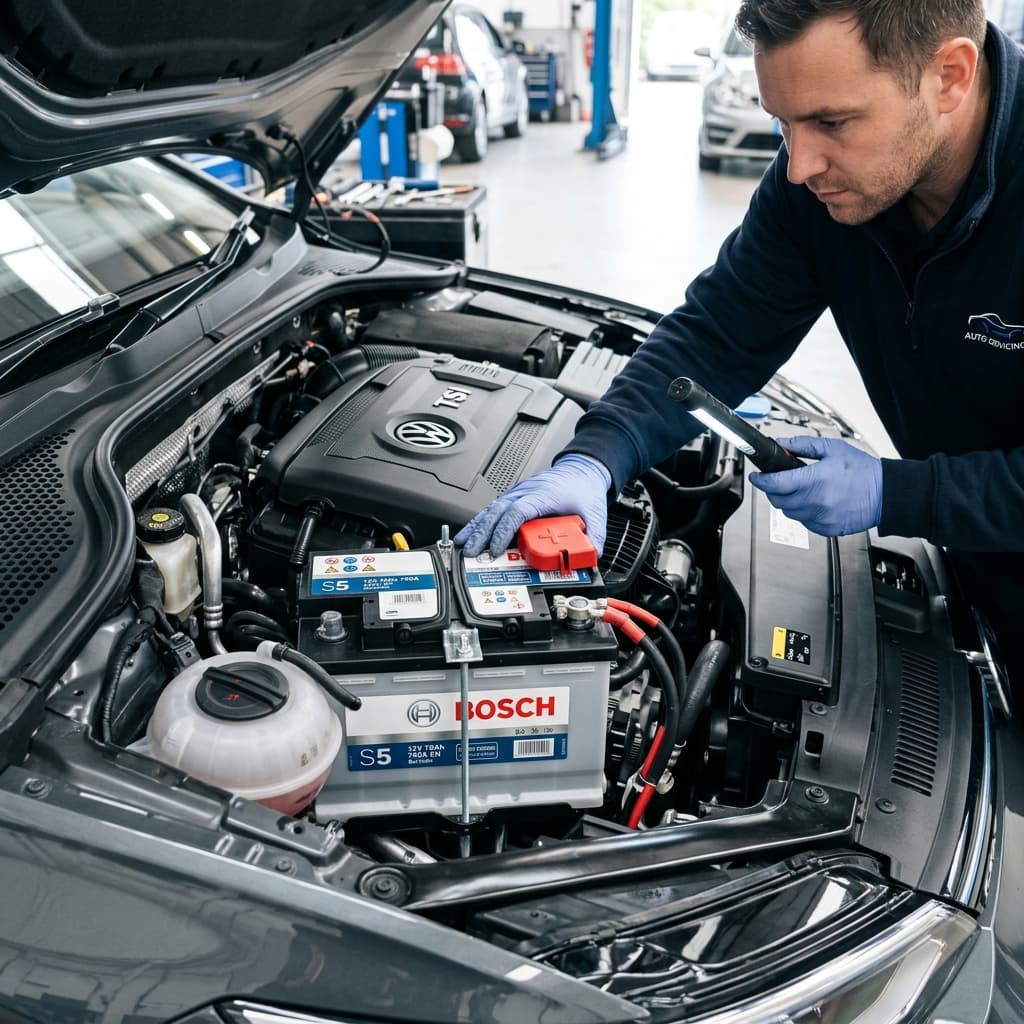
- Battery Check: Car batteries typically last 3 to 5 years. By 60k miles, your original battery may be nearing the end of its life. Learn more about how long car batteries last.
The 90,000-Mile Service (90k)
The 90k service is a major milestone. In addition to repeating the 30k and 60k services, several major components often require replacement to prevent engine damage.
- Spark Plugs: Most modern vehicles use iridium or platinum spark plugs designed to last up to 100,000 miles, but 90k is a safe interval to inspect and replace them to maintain engine performance and fuel economy.
- Timing Belt: If your vehicle has a rubber timing belt (rather than a metal timing chain), this is the most critical maintenance item on your car. If a timing belt snaps while driving, it can destroy the engine entirely. Never ignore a timing belt replacement interval.
- Drive Belts / Serpentine Belt: The rubber belts that run the alternator, water pump, and AC compressor will eventually crack and stretch.
- Hoses: Radiator and heater hoses endure extreme heat and pressure and should be inspected for bulging or cracking.
Between Milestones: Regular Maintenance
You should never wait until a major milestone to service your car. In between these large services, you must keep up with routine maintenance:
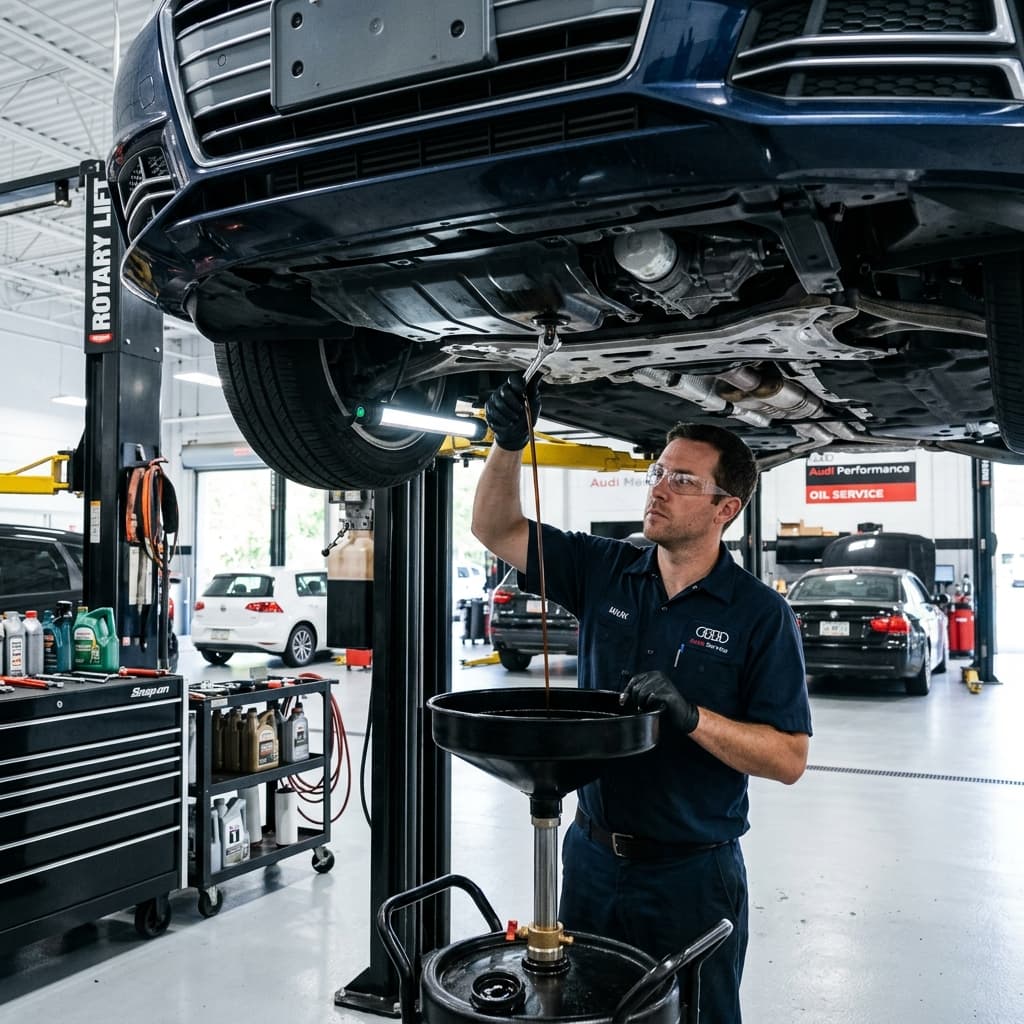
- Oil Changes: Depending on whether you use synthetic or conventional oil, this occurs every 5,000 to 10,000 miles. Read more on how often you should change your oil.
- Tire Rotations: Typically done alongside every oil change (every 5,000 to 7,500 miles) to ensure even tread wear.
- Monthly Checks: Get in the habit of checking your tire pressure and windshield washer fluid once a month.
By following the maintenance schedule for your car, you ensure safety, reliability, and the highest possible resale value for your vehicle.
Alex Carson
Alex is a dedicated automotive enthusiast and experienced DIYer who enjoys breaking down complex car maintenance topics into practical, easy-to-understand advice for everyday drivers.