How Often Should You Change Your Engine Oil?

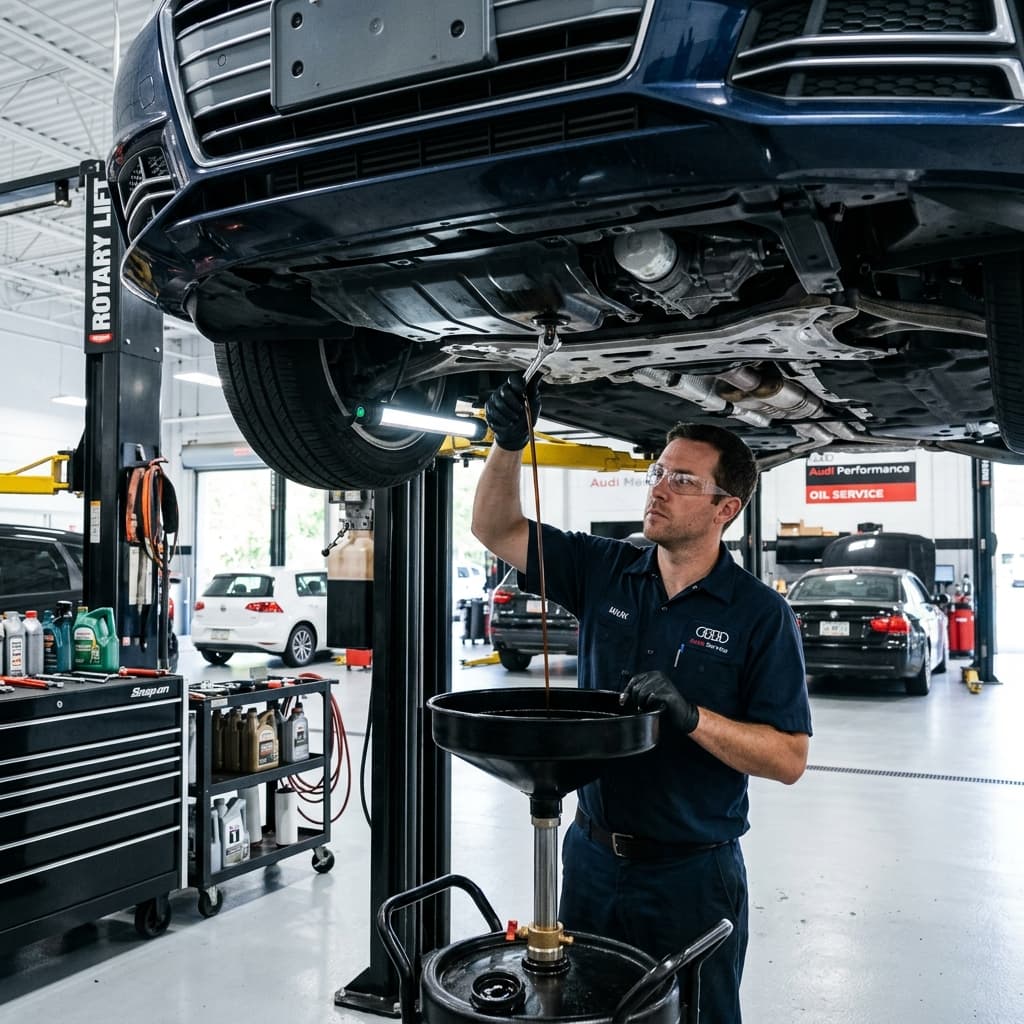
Table of Contents
For decades, the golden rule of automotive maintenance was to get an oil change every 3,000 miles or 3 months. However, thanks to advancements in modern engine design and synthetic oil technology, that rule is heavily outdated.
If you are wondering how often should you change your engine oil, the answer depends heavily on the type of oil your car requires and your specific driving habits.
Recommended Oil Change Intervals
Always check your owner's manual first, as the manufacturer knows your engine best. However, general guidelines follow these intervals based on the type of oil used:
Conventional Oil
Conventional oil is refined directly from crude oil. It provides adequate lubrication but breaks down faster under extreme heat.
- Interval: Every 3,000 to 5,000 miles.
- Best For: Older vehicles or simple engines that don't require high-performance lubrication.
Full Synthetic Oil
Full synthetic oil is chemically engineered in a laboratory. It flows better in freezing winter temperatures, resists breaking down in high heat, and leaves behind fewer engine deposits (sludge).
- Interval: Every 7,500 to 10,000 miles (and sometimes up to 15,000 miles for specific luxury brands).
- Best For: Most modern vehicles, turbocharged engines, and drivers who want maximum engine protection.
- Cost: While synthetic oil costs more upfront, the extended interval often makes it cheaper in the long run. Read our guide on how much an oil change costs for a full breakdown.
Synthetic Blend
A mixture of conventional and synthetic oils, offering a middle ground in both price and performance.
- Interval: Every 5,000 to 7,500 miles.
Severe vs. Normal Driving Conditions
In the United States, many drivers unknowingly fall into the "Severe Driving" category outlined in their owner's manual. If you fall into this category, you should change your engine oil more frequently.
You are considered a "Severe" driver if you frequently:
- Drive in stop-and-go traffic (like Los Angeles or New York City commutes).
- Make short trips of less than 5 miles (the engine never reaches optimal operating temperature to boil off moisture).
- Drive in extremely hot (Arizona, Texas) or extremely cold (Minnesota, Maine) climates.
- Tow heavy loads or carry heavy cargo.
- Drive on dusty, muddy, or unpaved roads.
4 Signs You Need an Oil Change Immediately
Even if you haven't hit your mileage interval, you should get an oil change if you notice any of the following:
- The Oil Maintenance Light: Modern cars track engine revolutions, temperature, and driving habits to calculate exact oil life. When the dashboard light comes on, it's time.
- Dark, Gritty Oil: Fresh oil is an amber, translucent color. As it absorbs heat and engine contaminants, it turns black. If you check your dipstick and the oil feels gritty to the touch, it needs replacing.
- Engine Noise or Ticking: Oil lubricates the metal parts of your engine. As oil loses its viscosity (thickness), metal parts can begin rubbing together, causing audible ticking or knocking sounds.
- Exhaust Smoke: A translucent vapor in cold weather is normal. Thick blue or gray smoke from your tailpipe often means oil is leaking into the engine's combustion chamber.
Staying on top of your oil changes is the cornerstone of any good car maintenance schedule. Fresh oil keeps your engine running cool, improves fuel economy, and prevents catastrophic engine failure.
Alex Carson
Alex is a dedicated automotive enthusiast and experienced DIYer who enjoys breaking down complex car maintenance topics into practical, easy-to-understand advice for everyday drivers.