How Often Should You Rotate Your Tires?

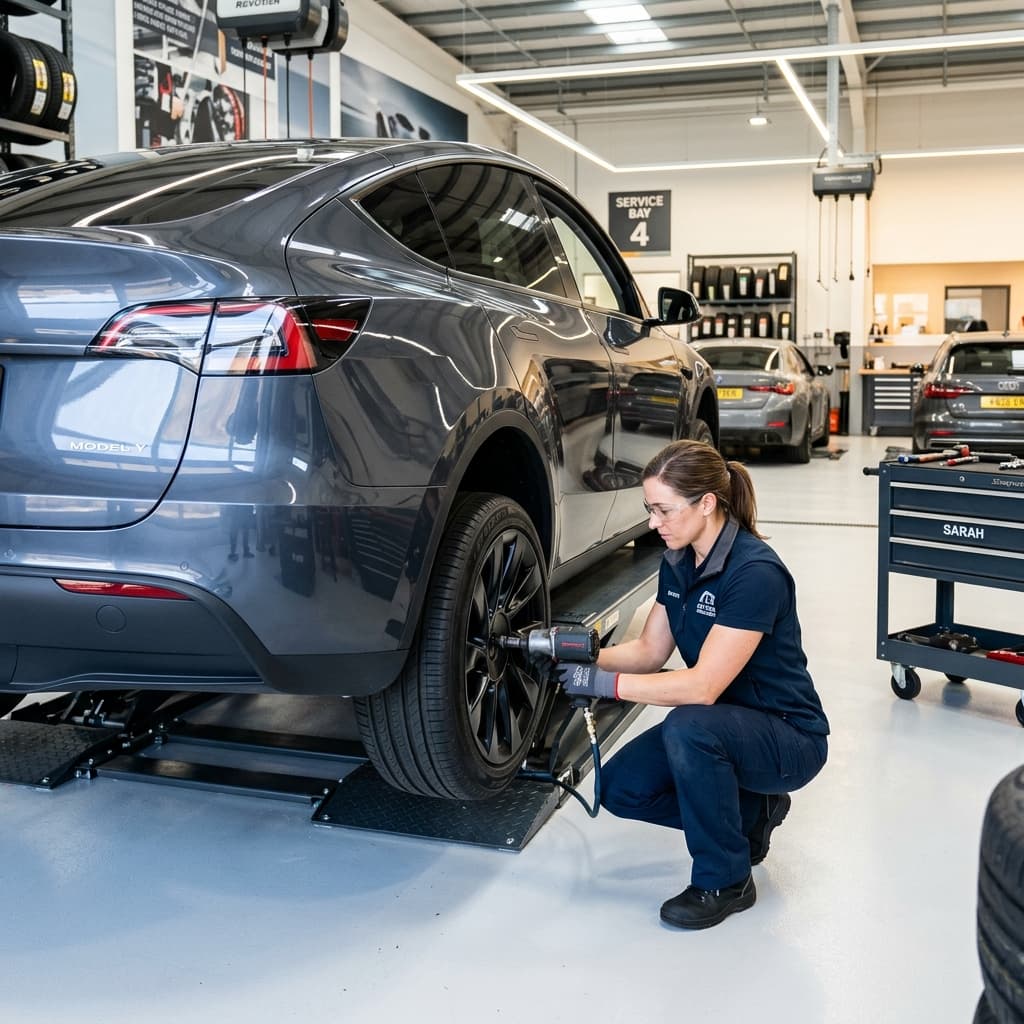
Table of Contents
Tires are one of the most expensive wear items on a vehicle. If you want to get the maximum possible mileage out of a set, routine tire rotation is absolutely mandatory.
Tire rotation is the simple process of moving your tires from one position on the vehicle to another (for example, moving the front tires to the rear). Because each position on a vehicle handles different amounts of weight and friction, tires wear unevenly if left in the same spot for too long.
So, how often should you rotate your tires?
Recommended Tire Rotation Intervals
While you should always verify the specific interval listed in your owner's manual, the automotive industry standard is to rotate your tires every 5,000 to 7,500 miles.
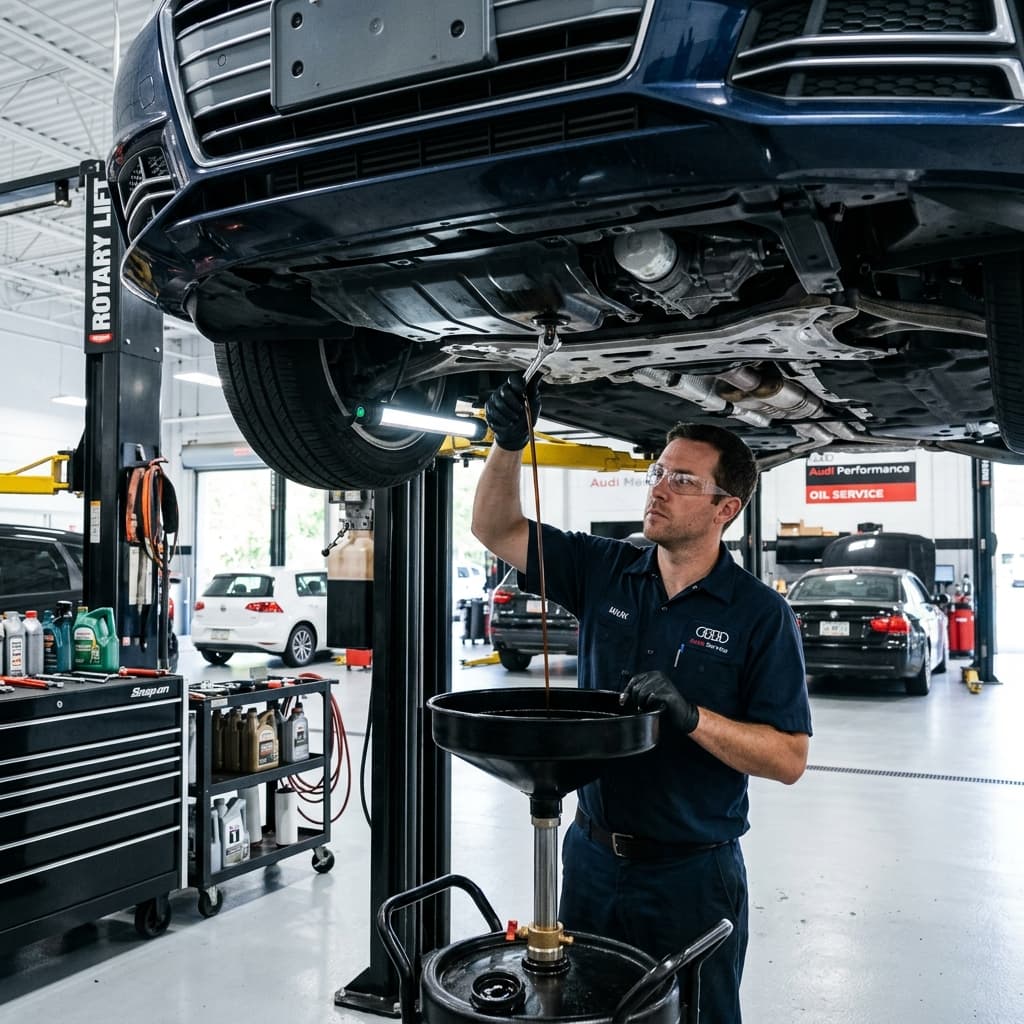
A highly practical and easy-to-remember rule for most drivers is to rotate your tires every time you get an oil change. Aligning these two services on your maintenance schedule ensures your vehicle is lifted in the shop less often, saving you both time and labor costs.
Why Do Tires Wear Unevenly?
Understanding why tire rotation is necessary requires looking at how a car drives:
- Front-Wheel Drive (FWD): In FWD vehicles—which make up the majority of passenger cars in the U.S.—the front tires carry the heavy weight of the engine and transaxle. They also handle all of the steering and the vast majority of the braking force. Consequently, the front tires on a FWD car wear out significantly faster than the rear tires.
- Rear-Wheel Drive (RWD): In RWD vehicles, the rear tires handle the acceleration power, while the front tires handle steering. This creates a different, but still uneven, wear pattern.
- All-Wheel Drive (AWD): Even though AWD systems send power to all four wheels, the power distribution is rarely perfectly even at all times. Furthermore, the front tires still handle the steering. AWD vehicles are particularly sensitive to uneven tire wear, and failing to rotate tires on an AWD vehicle can actually damage the drivetrain.
By regularly rotating the tires, you distribute these different friction loads evenly across all four tires, ensuring they wear down at the same rate and can be replaced as a complete set.
Typical Tire Rotation Patterns
Mechanics don't just randomly move tires around; they follow specific patterns based on the vehicle's drivetrain and whether the tires are directional.
- Forward Cross (For FWD): The front tires move straight back to the rear. The rear tires move to the front, but cross sides (the rear passenger tire becomes the front driver tire).
- Rearward Cross (For RWD and AWD/4WD): The rear tires move straight up to the front. The front tires move to the rear, but cross sides.
- X-Pattern: All tires cross diagonally. Often used for lighter FWD vehicles.
Note on Directional Tires: Some high-performance tires have a specific tread pattern designed to roll in only one direction. These tires can only be rotated front-to-back on the same side of the vehicle, unless they are dismounted from the wheels and remounted facing the opposite direction.
The Cost of a Tire Rotation
A standard tire rotation at an independent mechanic or dealership usually costs between $20 and $50.
However, if you purchased your tires from a large national chain (such as Discount Tire, Costco, or Les Schwab), they almost always include free lifetime rotations with the purchase of a set. Taking advantage of this free service is the easiest way to stretch your tire investment to its maximum limit.
Alex Carson
Alex is a dedicated automotive enthusiast and experienced DIYer who enjoys breaking down complex car maintenance topics into practical, easy-to-understand advice for everyday drivers.