How Long Do Car Batteries Last? (And Signs It’s Failing)

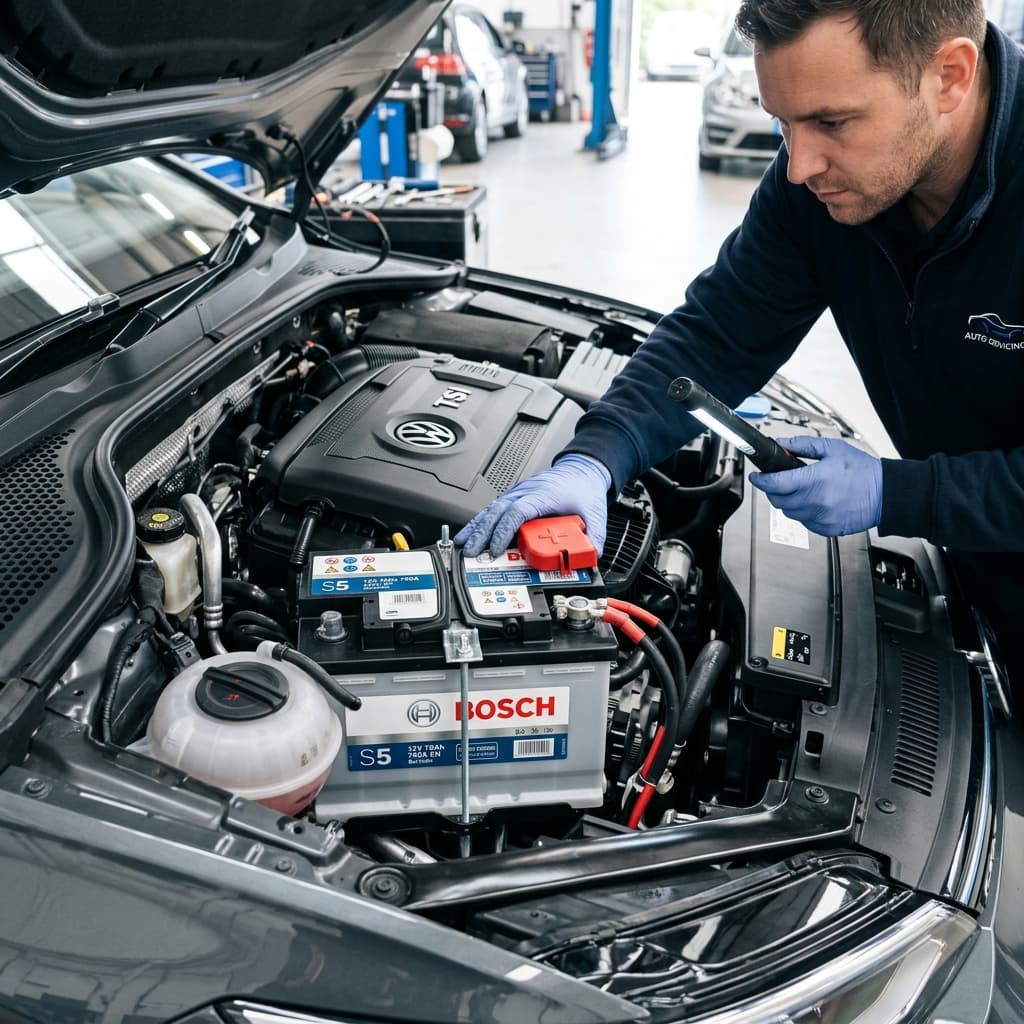
Table of Contents
A dead car battery is one of the most common reasons for calling roadside assistance in the U.S. Because batteries degrade silently, many drivers are caught completely off guard when their car suddenly refuses to start.
If you are wondering how long do car batteries last, the answer depends on the type of battery, your driving habits, and—most importantly—the climate you live in.
The Average Lifespan of a Car Battery
In ideal conditions, a standard 12-volt lead-acid car battery lasts 3 to 5 years.
However, climate plays a massive role in battery degradation. Heat is the number one enemy of a car battery, meaning drivers in different parts of the U.S. experience vastly different battery lifespans.
Hot Climates (Florida, Arizona, Texas)
In consistently hot climates, a car battery typically only lasts 2.5 to 3 years. Extreme under-hood temperatures cause the liquid electrolytes inside the battery to evaporate faster. This accelerates the internal corrosion of the lead plates, permanently reducing the battery's ability to hold a charge.
Cold Climates (Minnesota, New England)
In colder northern states, batteries tend to last closer to the 3 to 5 year mark. While freezing temperatures make it significantly harder for a battery to crank a cold engine (which is why batteries often fail in the winter), the actual internal degradation of the battery happens slower in cold weather than in extreme heat.
4 Warning Signs Your Battery is Dying
To avoid being stranded in a parking lot, pay attention to these early warning signs that your battery is losing its capacity.
- Slow Engine Crank: When you turn the key or push the ignition button, the engine turns over sluggishly and takes longer than normal to start. This is the most common sign of a failing battery.
- Dim Headlights and Electrical Issues: The battery powers the vehicle's electrical components when the alternator is not running fast enough to support the load. If your headlights dim noticeably when idling, or if your power windows roll up slower than usual, the battery may be weak.
- Swollen Battery Case: Extreme heat or severe overcharging by a faulty alternator can cause the battery casing to physically swell or bulge. If your battery looks bloated, it is dangerous and needs immediate replacement.
- Rotten Egg Smell: A battery that has been severely overcharged or frozen can rupture and vent sulfur gas. If you smell rotten eggs under the hood, a battery leak is likely the cause.
How to Maximize Battery Life
While you can't defeat time and chemistry, you can take steps to ensure your battery reaches its maximum potential lifespan:
- Limit Short Rides: Driving short distances (under 5 miles) doesn't give your alternator enough time to fully recharge the battery after the massive energy drain of starting the engine.
- Keep Terminals Clean: Inspect the battery terminals (the metal posts on top) for fluffy white or blue corrosion. This corrosion adds electrical resistance, forcing the battery to work harder. You can clean it off with a wire brush and a mixture of baking soda and water.
- Test It Annually: Once your battery reaches three years of age, have it load-tested annually. Most national auto parts chains (like AutoZone or O'Reilly Auto Parts) offer free battery testing.
Checking your battery health should be a standard part of your car maintenance schedule. If your battery is over four years old, it's safer to proactively replace it before the winter season begins.