Car Overheating: Causes, What to Do, and How Much It Costs to Fix
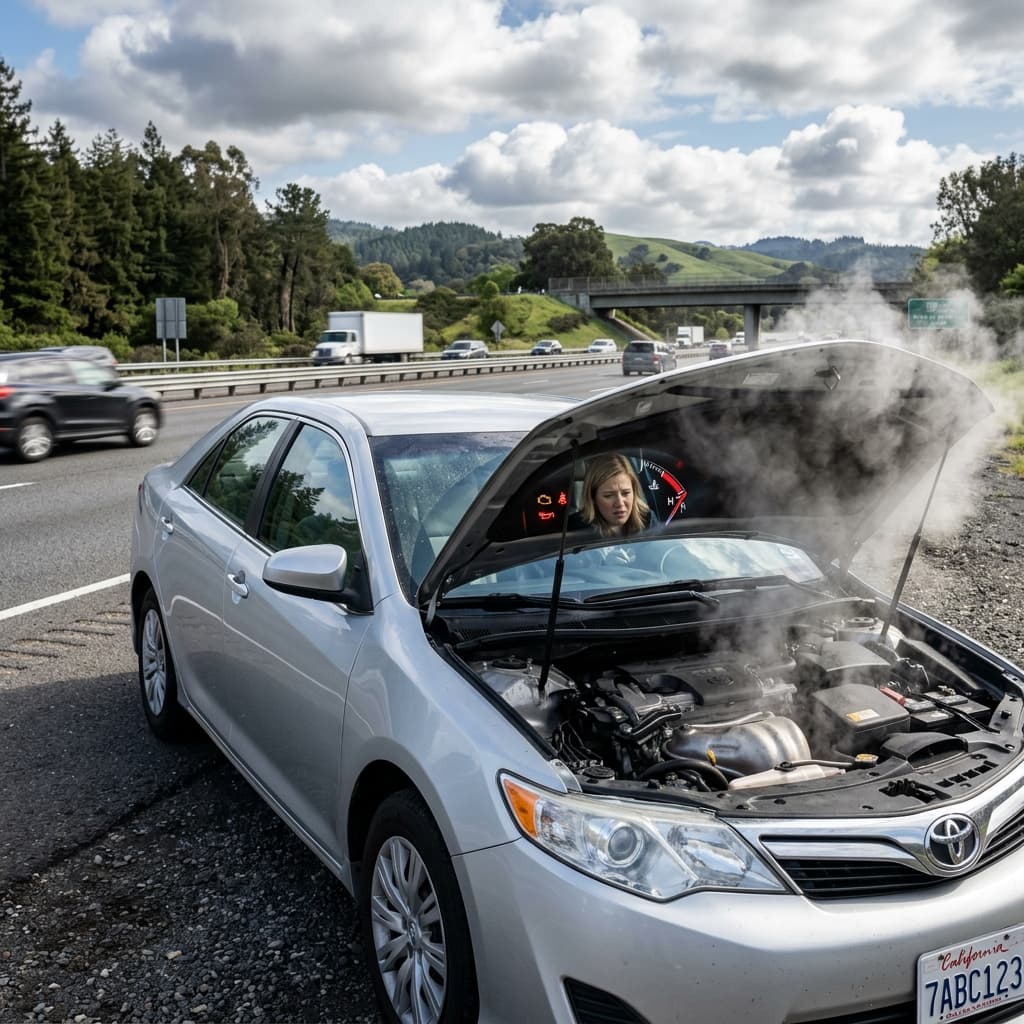
Table of Contents
An overheating engine is one of the most serious situations you can face behind the wheel. Unlike a flat tire or a dead battery, a severely overheated engine can cause catastrophic and irreversible damage—warped cylinder heads, blown head gaskets, and in extreme cases, a destroyed engine block—within minutes of the temperature gauge entering the red zone.
This guide covers why engines overheat, what to do the moment it happens, and what the most common underlying repairs typically cost.
What Does Your Car's Temperature Gauge Actually Tell You?
The temperature gauge on your dashboard monitors coolant temperature inside the engine. Under normal operation, it should settle in the middle of the gauge after a few minutes of driving.
- Gauge climbing toward the red: Your engine is getting hotter than it should. This is an early warning. Turn off the A/C, turn on the heater (this pulls heat away from the engine), and look for the nearest safe place to pull over.
- Gauge in the red / warning light on: Your engine is critically overheated. Stop driving immediately. Every additional minute of driving risks serious engine damage.
Never open the hood or attempt to remove the radiator cap while the engine is hot. The cooling system is pressurized, and coolant can spray out and cause severe burns.
7 Most Common Causes of an Overheating Engine
1. Low Coolant Level
Coolant (also called antifreeze) is the fluid that absorbs heat from the engine and transfers it to the radiator to dissipate. If the coolant level drops due to a leak or evaporation, there is not enough fluid to keep the engine at a safe operating temperature.
This is the most common cause of overheating and is often the starting point for diagnosing the problem.
2. Coolant Leak
A low coolant level usually points to a leak somewhere in the cooling system. Common leak locations include:
- Radiator hoses (cracked or loose)
- The radiator itself (corroded or physically damaged)
- The water pump
- The heater core
- Head gasket (the most serious type of leak—see below)
If you notice a sweet smell, green or orange puddles under your parked car, or a white residue around hoses or fittings, you likely have a coolant leak.
3. Faulty Thermostat
The thermostat is a small, inexpensive valve that regulates the flow of coolant through the engine. When the engine is cold, it stays closed to help the engine warm up quickly. Once operating temperature is reached, it opens to allow coolant to flow to the radiator.
A thermostat stuck in the closed position prevents coolant from reaching the radiator, causing the engine temperature to rise rapidly.
4. Failing Water Pump
The water pump circulates coolant through the engine and radiator. It is driven by the serpentine belt or timing belt. A worn impeller, a failing seal, or a bearing failure inside the pump can reduce or stop coolant flow entirely, leading to overheating.
A water pump failure often produces a whining or grinding noise from the front of the engine.
5. Clogged or Damaged Radiator
The radiator is the primary component that dissipates heat. Bugs, road debris, and corrosion can clog the radiator's fins or tubes over time, reducing its ability to transfer heat to the outside air. A physically bent or punctured radiator from road debris can also cause a sudden loss of coolant.
6. Blown Head Gasket
The head gasket seals the combustion chambers from the coolant passages inside the engine block. When it fails, combustion gases can enter the cooling system (causing bubbling in the coolant reservoir), or coolant can enter the combustion chamber (resulting in white smoke from the exhaust and a milky, frothy appearance on the oil dipstick).
A blown head gasket is a serious and expensive repair. It is often caused by—and can cause—overheating, creating a feedback loop. Catching it early is critical.
7. Broken Radiator Fan
Electric cooling fans are responsible for pulling air through the radiator when the car is stationary or moving slowly (at highway speeds, airflow through the grille is usually sufficient). A failed fan motor, a broken blade, or a bad temperature sensor that fails to trigger the fan can cause overheating during city driving and stop-and-go traffic.
What to Do When Your Car Overheats
- Turn off the A/C immediately and turn the cabin heater to full heat on high fan. This pulls heat from the engine into the cabin and can briefly lower engine temperature.
- If the gauge continues to rise, pull over safely as soon as possible and shut the engine off.
- Do not open the radiator cap until the engine is completely cool (wait at least 30 to 45 minutes). Steam and pressurized coolant can cause serious burns.
- Once cool, check the coolant level in the overflow reservoir. If it is low, adding distilled water or pre-mixed coolant can get you to a shop safely—but only if there is no visible leak.
- Call for a tow if the engine overheated severely, if there is a visible leak, or if the engine made unusual knocking sounds before you stopped. Driving an overheated engine risks turning a $300 repair into a $3,000 one.
How Much Does Overheating Damage Cost to Repair?
The repair cost depends almost entirely on which component failed. Here are typical U.S. ranges:
| Repair | Parts Cost | Labor Cost | Total Estimate | |---|---|---|---| | Coolant top-off (if no leak) | $15–$25 | $0–$30 | $15–$55 | | Thermostat replacement | $10–$50 | $50–$150 | $60–$200 | | Radiator hose replacement | $15–$60 | $50–$150 | $65–$210 | | Radiator fan motor | $40–$200 | $50–$150 | $90–$350 | | Water pump replacement | $50–$250 | $150–$500 | $200–$750 | | Radiator replacement | $150–$500 | $150–$400 | $300–$900 | | Head gasket repair | $200–$800 | $800–$2,500+ | $1,000–$3,000+ | | Engine replacement (severe damage) | $2,000–$8,000+ | $1,000–$3,000 | $3,000–$12,000+ |
Important: These are general U.S. market estimates. Costs vary significantly by vehicle make and model, local labor rates, and shop type (dealership vs. independent mechanic). Always get multiple written quotes for any repair over $300.
Preventing Overheating Before It Happens
Most overheating events are preventable with routine maintenance:
- Check your coolant level when the engine is cold, every month or before long road trips.
- Follow the coolant flush schedule in your owner's manual. Most manufacturers recommend a coolant flush every 2 to 5 years or 30,000 to 60,000 miles. See your car maintenance schedule for specifics.
- Watch your temperature gauge. Get in the habit of glancing at it occasionally, especially in stop-and-go traffic or on very hot days.
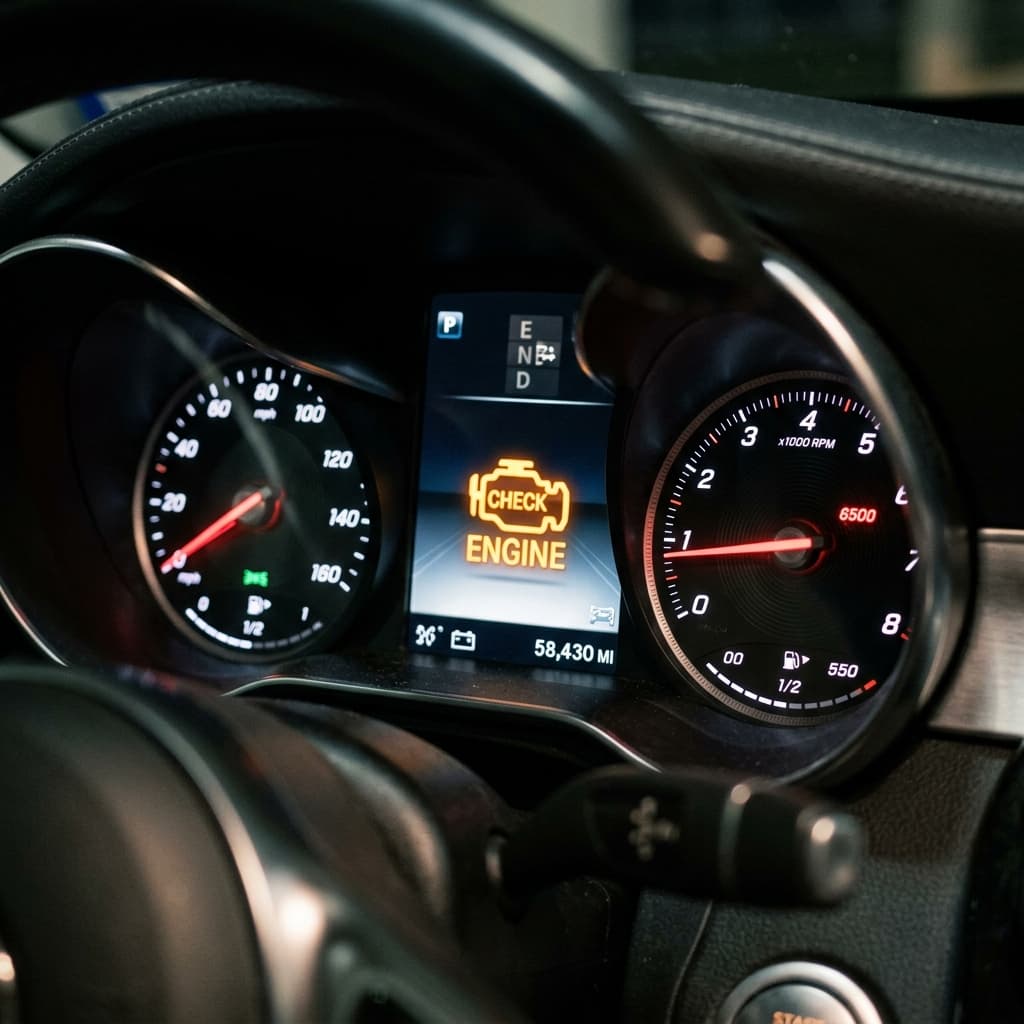
- Do not ignore the check engine light—some engine temperature and coolant system codes appear well before overheating reaches a critical point.
A cooling system that is properly maintained is a cooling system that rarely fails dramatically.