Why Won't My Car Start? Common Causes and What to Check First

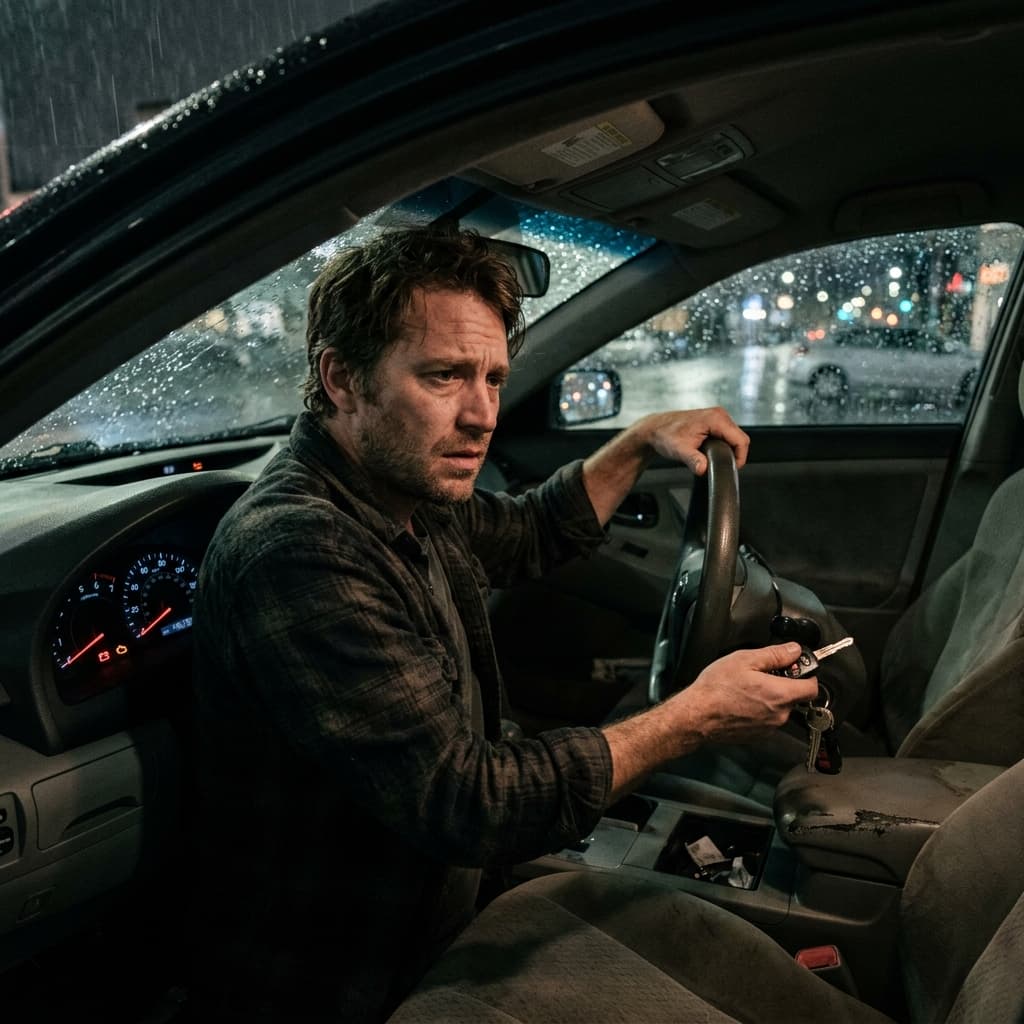
Table of Contents
Turning the key (or pressing the push-to-start button) and being met with silence is incredibly frustrating. When your car won't start, it’s easy to immediately assume the worst. However, by listening carefully to what the car is doing, you can quickly narrow down the most likely culprits.
The Two Main Categories: "No Crank" vs. "Cranks but Won't Start"
Before you call a tow truck, determine which of these two scenarios you are experiencing:
- No Crank (or Slow Crank): You turn the key, and the engine does not move. You might hear a single click, rapid clicking, or absolute silence.
- Cranks but Won't Start: You turn the key, the engine rotates normally (the "chug-chug-chug" sound), but it refuses to actually fire up and run on its own.
Symptoms: The Car Clicks but the Engine Won't Turn Over (No Crank)
If the engine isn't spinning, the issue is almost always electrical.
1. Dead or Weak Battery
This is the single most common reason a car won't start. If you hear a rapid clicking sound, or if your dashboard lights are very dim, your battery does not have enough amperage to turn the heavy starter motor. Learn more about how long car batteries typically last.
- What to do: Attempt to jump start the car safely.
2. Corroded Battery Terminals
Even if the battery is healthy, heavy white or blue corrosion on the battery terminals can block the electrical current.
- What to do: Inspect the terminals. If they are covered in crust, carefully clean them (wearing protective gloves/glasses) with a wire brush.
3. Bad Starter Motor
If the battery is fully charged, your headlights are bright, but you only hear a single, loud "CLICK" when you turn the key, the starter motor itself may have failed.
Symptoms: The Engine Cranks but Doesn't Catch
If the engine is spinning powerfully but refuses to start running, your battery and starter are fine. The engine is missing one of its three critical requirements: fuel, air, or spark.
4. Empty Gas Tank or Bad Fuel Pump
It seems obvious, but a faulty fuel gauge can trick you into thinking you have gas when the tank is bone dry. If there is gas in the tank, the fuel pump (which pushes the gas from the tank to the engine) may have failed.
5. Ignition System Failure
If the engine isn't getting a spark to ignite the fuel, it will crank indefinitely. This could be due to a failed ignition coil or severely worn spark plugs.
Other Common Culprits
6. Key Fob Battery & Immobilizer Issues
Modern cars use an immobilizer system that communicates with a chip inside your key fob. If the car cannot detect the correct key (due to a dead key fob battery or a software glitch), the security system will intentionally prevent the car from starting. Look for a security or key icon flashing on your dashboard.
7. Bad Neutral Safety Switch
Automatic transmissions have a safety switch that prevents the car from starting while in gear. If the switch fails, the car won't start even in Park.
- What to do: Try shifting the car into Neutral and turning the key again.
What to Check First (Roadside Troubleshooting)
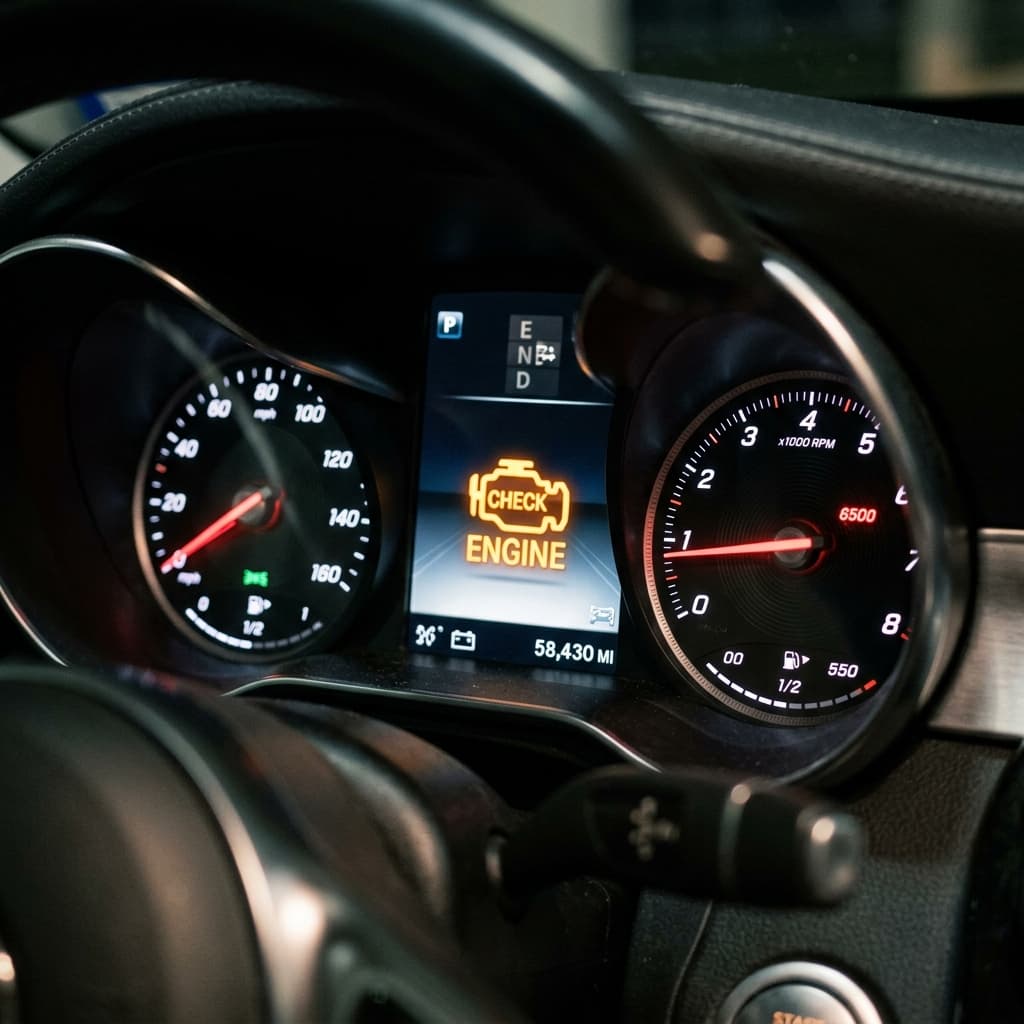
- Check the dashboard lights: Are they bright or dim? If dim, suspect the battery.
- Listen closely: Is it clicking rapidly? Single click? Or normal cranking?
- Check the shifter: Make sure the vehicle is fully engaged in "Park".
- Check the steering wheel: If the steering wheel is locked hard to one side, the ignition cylinder might be physically bound up. Wiggle the steering wheel firmly while turning the key.
When to Call Roadside Assistance
If you have verified that your vehicle has gas, you have attempted a jump start (or confirmed the battery is not the issue), and the vehicle remains completely unresponsive, it is time to call roadside assistance. It is always wise to keep a car emergency kit in your trunk for situations precisely like this, especially if you are stranded at night or in cold weather.