How Long Do Cars Last? Average Lifespan by Make and Model
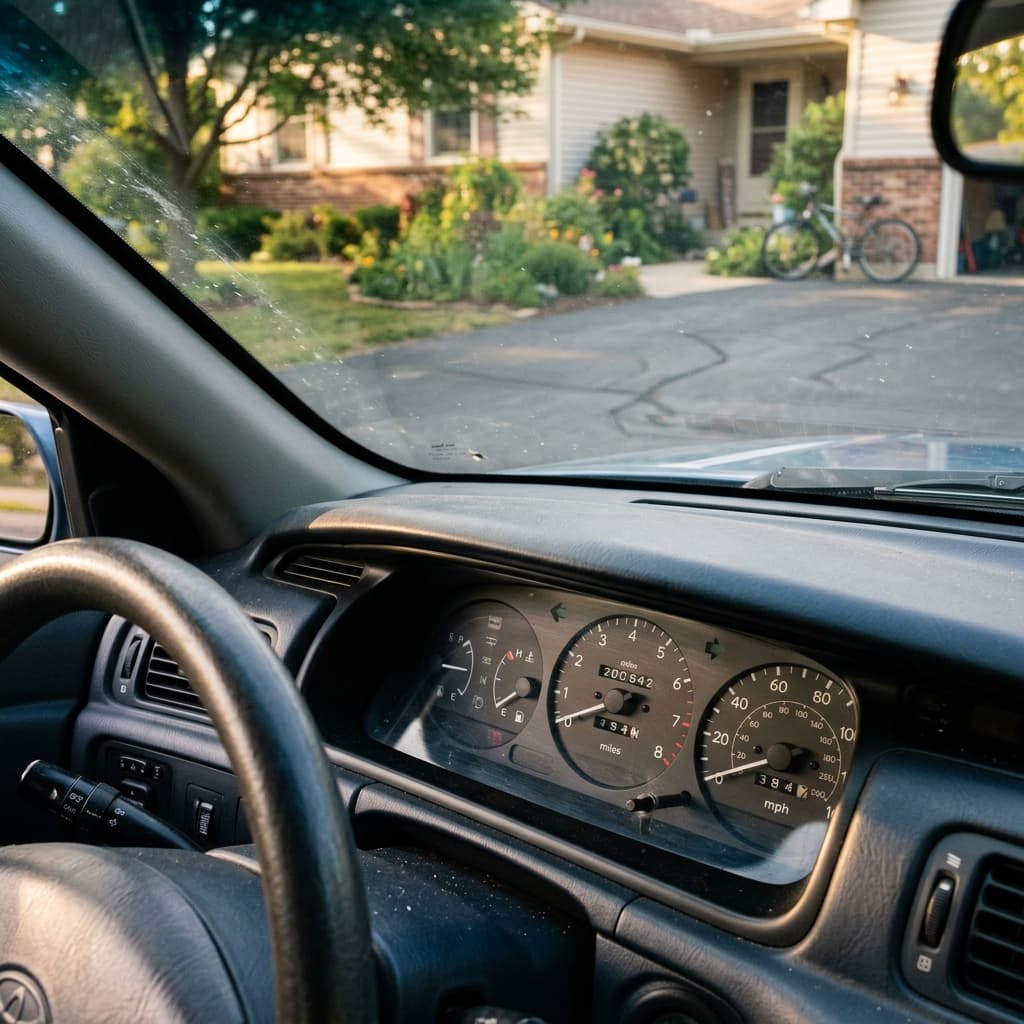
Table of Contents
A generation ago, a car with 100,000 miles was considered old and worn out. Today, thanks to improvements in engine design, materials, and manufacturing quality, 200,000 miles is an increasingly common and achievable milestone for a well-maintained vehicle.
But "how long do cars last" is not a question with a single clean answer. It depends heavily on the make and model, how the car is driven, the climate it lives in, and—most importantly—how consistently it is maintained.
The Modern Baseline: What to Reasonably Expect
For the average U.S. driver covering around 12,000 to 15,000 miles per year, here is what modern vehicles generally deliver:
- Minimum expectation (poorly maintained): 100,000 to 150,000 miles
- Average (normal maintenance): 150,000 to 200,000 miles
- Exceptional (diligent maintenance, reliable make): 200,000 to 300,000+ miles
In terms of years: if you drive 15,000 miles per year and your car makes it to 200,000 miles, that is over 13 years of ownership.
The most important caveat: These figures assume you follow the manufacturer's recommended maintenance schedule. A car that misses oil changes, runs low on coolant, and ignores warning lights will not come close to these numbers. A car that is maintained meticulously often exceeds them.
Which Makes and Models Are Known for High Mileage?
While individual experiences vary, certain brands have established reputations for longevity based on long-term reliability surveys, consumer reports, and documented real-world data from services like iSeeCars and Consumer Reports.
Brands Frequently Cited for Above-Average Longevity
- Toyota and Lexus: Consistently rank at the top of long-term reliability studies. Models like the Toyota Camry, Corolla, Tacoma, Land Cruiser, and 4Runner are frequently cited by owners who have exceeded 200,000 to 300,000+ miles.
- Honda and Acura: The Accord, Civic, CR-V, and Odyssey are well-regarded for longevity, particularly their engines and transmissions.
- Subaru: The Outback and Forester often see high mileage, though some model years have experienced well-documented head gasket issues.
- Chevrolet/GMC trucks (full-size V8): The 5.3L and 6.2L V8 engines in Silverado and Sierra trucks have a strong reputation for reaching 200,000+ miles with proper maintenance.
- Ford F-150: America's best-selling truck for decades. The 5.0L V8 engine in particular is considered highly durable.
Brands with More Variable Long-Term Records
This does not mean these vehicles cannot reach high mileage—many do—but they may require more expensive repairs along the way or have higher rates of out-of-warranty failures in reliability surveys:
- American luxury brands (Cadillac, Lincoln)
- European luxury brands (BMW, Mercedes-Benz, Audi, Land Rover): These vehicles often use advanced technology that requires expensive specialized maintenance. They can last a very long time, but the cost to keep them running grows considerably with age.
- Certain Nissan models: Nissan has faced well-publicized CVT (continuously variable transmission) reliability issues in some of their model years.
Important: Reliability rankings change with model year. A brand known for problems a decade ago may have resolved them—and vice versa. Always research the specific year you are considering, not just the brand. Consult the latest Consumer Reports reliability ratings and model-specific forums before purchasing.
What Actually Determines How Long a Car Lasts?
1. Maintenance Consistency
This is the single biggest factor—far more than brand. A Toyota that skips oil changes will fail early. A Chevrolet that is meticulously maintained will last. Oil changes, coolant flushes, timing belt replacements, and fluid changes are not optional—they are what make the difference between 150,000 miles and 250,000 miles.
2. Climate and Environment
- Road salt (Rust Belt, Northeast, Midwest): Salt used for ice control accelerates rust on the frame, suspension, and brake lines. In rust-prone areas, structural rust can kill a car before the engine does.
- Extreme heat (Southwest): High temperatures degrade rubber hoses, belts, and battery life faster than in moderate climates.
- High humidity (Southeast): Accelerates corrosion on electrical connectors and body panels.
3. Driving Style and Conditions
Short trips (under 5 miles) are harder on a car than long highway cruises. In short-trip driving, the engine never fully reaches operating temperature, causing moisture and combustion byproducts to accumulate in the oil and exhaust system. City driving with frequent stop-and-go puts more wear on the brakes and transmission than highway driving.
4. Repair Philosophy
When a car develops an issue—a bad wheel bearing, a failing water pump, a cracked CV axle boot—fixing it promptly keeps the overall system healthy. Ignoring minor repairs often leads to cascading failures. A $150 CV boot replacement ignored can become a $600 CV axle replacement. A $200 water pump ignored can become a $2,000 head gasket repair.
Is It Better to Keep an Old Car or Buy a New One?
This is one of the most common financial dilemmas for car owners. The general guidance from personal finance advisors:
- If your car is otherwise reliable and the repair cost is less than two or three months of a car payment, repair it. A monthly car payment is $500 to $700 for many new vehicles. A $1,000 repair is cheaper than two months of payments.
- If the car requires multiple large repairs simultaneously, or if safety-critical systems (brakes, steering, suspension) are failing faster than you can fix them, replacement is the wiser financial choice.
- Rust is a significant factor. Cosmetic rust is survivable. Structural rust (on the frame rails, subframe, or suspension mounts) is often a car's final condition.
If you are in the market for a used vehicle, our ultimate guide to buying a used car covers how to evaluate a vehicle's remaining lifespan before you commit to purchasing it.
How to Maximize Your Car's Lifespan
- Follow the oil change schedule. Clean oil is the life blood of the engine. See our guide on how often to change engine oil.
- Follow the full maintenance schedule in your owner's manual, including timing belt intervals, coolant flushes, and transmission fluid changes. Our car maintenance schedule overview covers the major milestones.
- Address warning lights promptly. The check engine light is not something to ignore for weeks.
- Wash the undercarriage regularly if you live in a state that uses road salt. Under-car rust is the silent killer of high-mileage vehicles in cold climates.
- Drive conservatively. Aggressive acceleration, late braking, and high-speed cornering dramatically accelerate wear on the drivetrain, brakes, and tires.
The most reliable cars in the world are not purely a function of the brand on the badge—they are maintained vehicles, driven with care, and repaired promptly when something goes wrong.